

Instagram’s success depends on trust. That trust comes from real engagement, not inflated numbers. In a digital space where bought likes and fake followers are common, knowing how to spot inauthentic interaction is critical. Even if you’ve used one of the best sites to buy instagram likes, understanding the impact on your account is still important. Whether you’ve experimented with paid engagement or inherited a messy account, an audit can help you clean things up. Tech tools make this process more accurate and less time-consuming. Here’s how to assess your account and ensure your engagement reflects reality.
Why Fake Likes Are a Problem
Fake likes dilute the value of your content. They may boost your numbers on the surface, but they don’t come from users who actually care about your posts. That means no comments, no shares, and no meaningful growth. Worse, Instagram’s algorithm can detect these patterns and reduce your post’s visibility. If you’re a brand or creator working with analytics, fake likes will skew your metrics. You’ll think content is performing when it’s not. This can mislead your strategy, waste your time, and make it harder to connect with your real audience. A clean account helps avoid all of that.
The Importance of Spotting Red Flags in Engagement
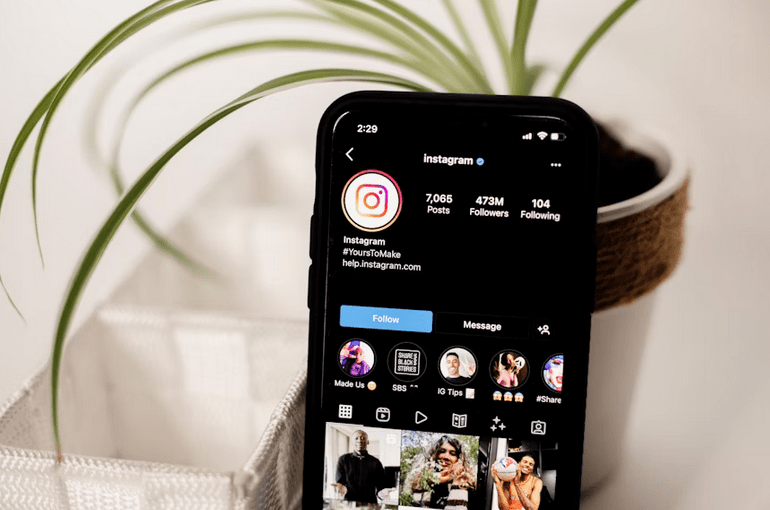
Before you even open a tech tool, take a basic look at your engagement. Posts with unusually high likes but no comments may signal something’s off. Also, check if likes are coming from accounts with no profile pictures, strange usernames, or posts of their own. Another sign is sudden spikes in engagement that don’t match your usual trends. If a post normally gets 200 likes but suddenly gets 1,500 without reason, that’s worth investigating. These signs don’t confirm fake likes, but they indicate it’s time for a deeper audit.
Tools That Help Detect Fake Engagement
There are several digital tools designed to analyze your Instagram account. They scan your followers, likes, and interaction rates to identify suspicious behavior. Some of the most trusted ones include HypeAuditor, Modash, and IG Audit. These platforms use data patterns to highlight likely bots or inactive users. They often provide a breakdown of engagement authenticity, giving you percentages of real vs. fake interactions. Many tools also flag the accounts most likely to be fake, helping you identify where cleanup is needed. While no tool is perfect, they provide a strong starting point.
How to Review Like Sources and Patterns

Once you’ve chosen a tool, start by analyzing where your likes are coming from. Most tools will show country data, language, and profile activity. If your audience is mainly U.S.-based but most likes come from unfamiliar regions, that’s a clue. Look at the time distribution as well. A massive batch of likes that appear within a few seconds or minutes is rarely organic. Healthy engagement tends to spread over hours as your content reaches followers naturally. Also, track which types of posts attract questionable engagement. Sometimes, fake likes cluster around a specific content format or hashtag. That insight helps you adjust your future strategy and avoid risky patterns.
How to Clean up Your Engagement
After identifying fake likes or suspicious activity, it’s time to fix the problem. Unfortunately, you can’t remove likes directly from your posts. But you can block or restrict suspicious users to stop further interaction. For long-term improvement, focus on creating content that attracts your real audience. Use questions, stories, and polls to encourage organic comments and responses. The more genuine interaction your account builds, the less impact old fake likes will have over time.
If you use analytics tools, adjust how you interpret your past data. Remove outliers when reviewing your average likes or engagement rate. For example, if most posts average 300 likes but a few hit 3,000 due to fake boosts, don’t count those spikes in your reporting. When setting goals or measuring campaign results, use only data from posts you know received organic attention. This ensures your insights are useful and your decisions are grounded in reality. Over time, you’ll rebuild a clear picture of your performance.